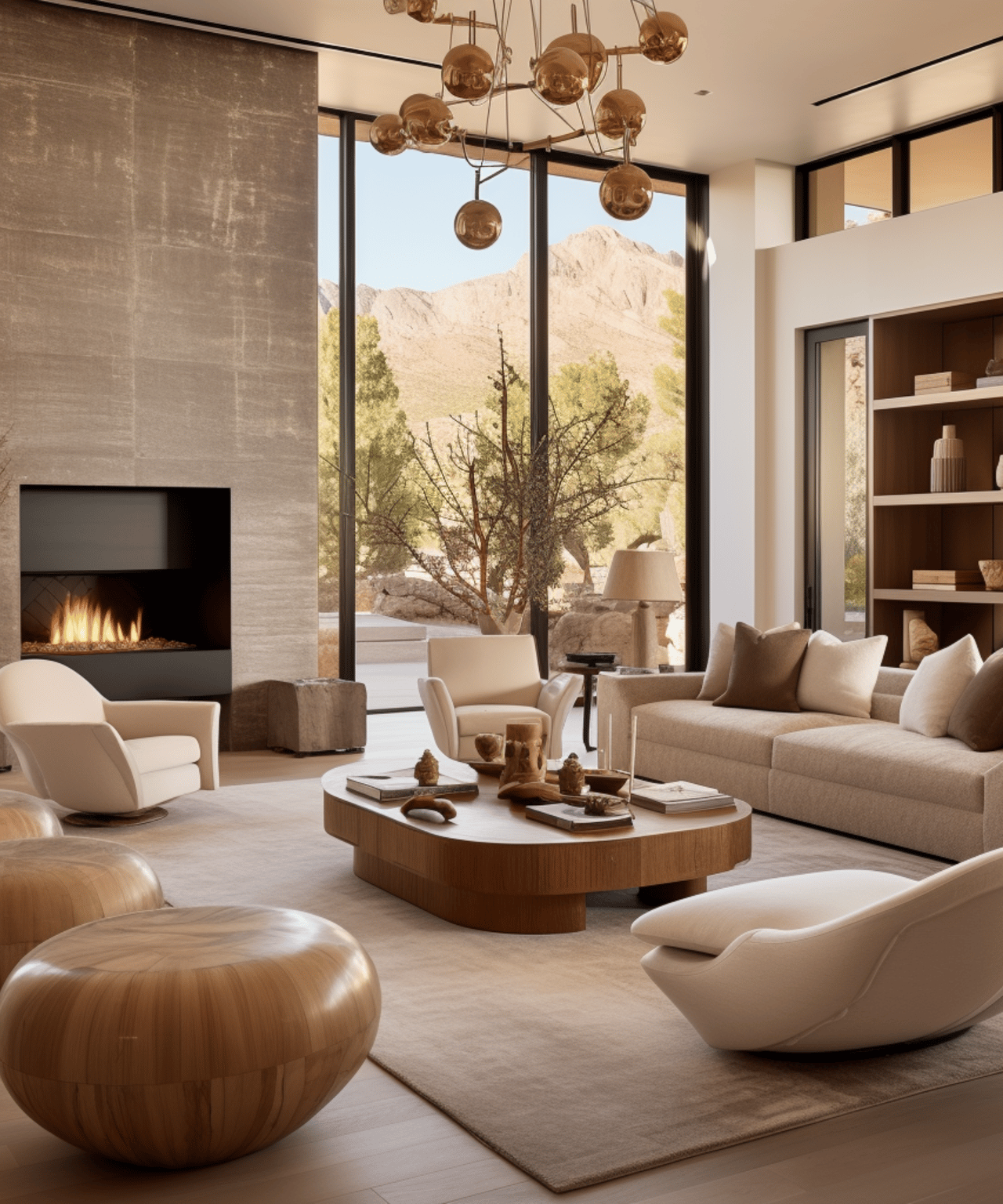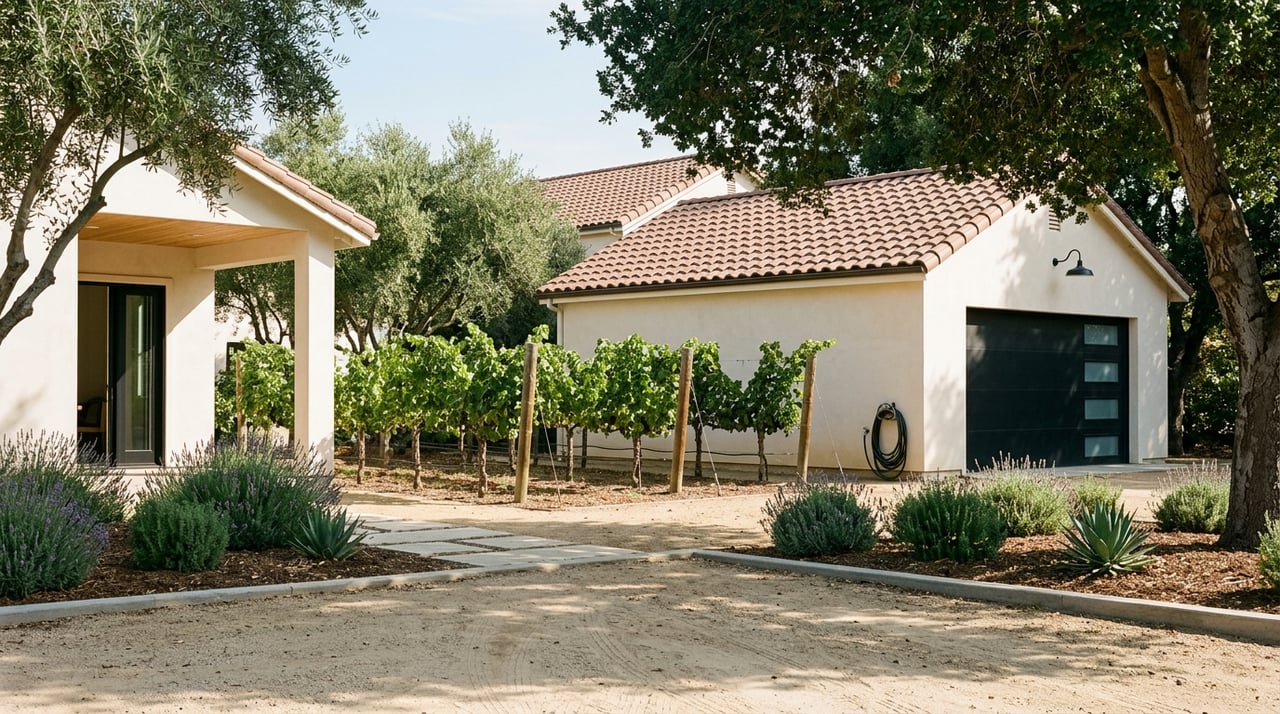
If you have ever looked at a La Cresta property and thought, this feels different, you are right. Life here is not built around a standard subdivision lot. It is built around acreage, open space, and the daily choices that come with owning more land. If you are considering a move to La Cresta, this guide will help you understand what that lifestyle can look like, what makes the area distinct, and what practical questions to answer before you buy. Let’s dive in.
Why La Cresta Feels Different
La Cresta is part of the unincorporated acreage communities in the Murrieta and Wildomar corridor of southwest Riverside County. Riverside County permit advisors place La Cresta in District 3 alongside Murrieta, Temecula, and Wildomar, and official local materials describe this part of the county as closely tied to the Santa Rosa Plateau.
That setting shapes the experience of living here. According to Riverside County’s Southwest Area Plan, the broader Santa Rosa Plateau and De Luz area includes rolling hills, steep slopes, valleys, farms, and scattered residential equestrian estates and ranches. The plan is designed to retain rural and natural character, which is a big reason La Cresta attracts buyers who want land first and house second.
Land Drives the Lifestyle
In La Cresta, the parcel itself often becomes part of your day-to-day life. Instead of simply owning a backyard, you may be thinking about how to use acreage for horses, gardening, privacy, views, outdoor projects, or small-scale agricultural use where allowed.
That is not just a marketing idea. The county planning framework specifically describes the area as a place for rural residential and agricultural uses on suitable lands, with equestrian estates and ranches as part of the area’s character. If you want a property where the land supports how you live, La Cresta stands out in Southwest Riverside County.
Space for Horses and Trails
Equestrian living is one of the clearest examples of how land shapes daily life in La Cresta. The nearby Santa Rosa Plateau Ecological Reserve covers about 9,000 acres, and its Sylvan Meadows Multi-Use Area includes roughly 1,000 acres and 10 miles of trails for hikers, bikers, and equestrians.
That matters because La Cresta is not just a place where horse property exists. It is part of a wider land-use pattern where horse keeping, riding access, and open terrain are central to the community’s identity. If that lifestyle is important to you, you will want to evaluate each parcel for access, terrain, zoning, and any recorded restrictions.
Room for Gardens and Projects
Many buyers are drawn to La Cresta because they want more flexibility than a standard tract home can offer. Depending on the parcel, that could mean kitchen gardens, orchards, workshops, coops, or other small-scale rural uses.
The key word is depending. Riverside County planning documents support rural residential and agricultural uses on flatter lands, but what is possible will vary by zoning, site conditions, permits, and any HOA or CC&R rules tied to the property. In other words, La Cresta can offer flexibility, but you should confirm details before you build your plans around a specific use.
How Much Land Do You Get?
One of the most common questions about La Cresta is how much land a buyer can expect. According to the county’s Southwest Area Plan, parcels as small as five acres may be established in this policy area through tract or parcel maps.
That does not mean every property is identical. Lot shape, usable flat area, slopes, setbacks, access, and recorded tract documents can all affect how the land actually functions. A five-acre parcel with large flat areas may live very differently from a five-acre parcel with steep terrain.
What Buyers Need to Check First
Large-lot living can be rewarding, but it comes with more due diligence than buying in a typical subdivision. Before you get attached to a parcel, it helps to understand the practical systems that support life on the land.
Water and Wastewater
For a new home in unincorporated Riverside County, Environmental Health says drinking water is provided by either an individual domestic well or a water system. Wastewater must go to sewer or septic, and septic installation, repair, or modification requires an OWTS Construction Application. A new septic system also requires a building permit.
For buyers, that means water and wastewater should be early-stage questions, not afterthoughts. You will want to confirm what currently serves the property, what improvements may be needed, and whether future plans for the site line up with county requirements.
Grading and Building Rules
Acreage properties often involve more site work than suburban homes. Riverside County grading guidance notes that some projects may require geological reports, compaction reports, erosion-control plans, and rough-grade approval before a building permit can be issued.
County guidance also states that permits are required before constructing, enlarging, altering, repairing, or demolishing a structure. Grading in sensitive areas or excavations over 50 cubic yards generally require a permit as well. If you are thinking about adding a barn, workshop, detached garage, or other improvements, these details matter.
Animals, Outbuildings, and Parcel Rules
A common mistake buyers make is assuming that acreage automatically means unlimited freedom. In reality, Riverside County Code Enforcement says the number of animals allowed depends on property size, zone, and animal type.
Recorded declarations may add more rules on top of county standards. In at least one La Cresta tract, recorded restrictions require lots to contain at least five gross acres and state that outbuildings or garages must conform to the residence’s architectural design and exterior materials. That is why title review, CC&R review, and HOA review are such an important part of buying in this area.
Wildfire Planning Is Part of Ownership
If you are building a lifestyle around land in La Cresta, wildfire planning needs to be part of that conversation from the start. CAL FIRE explains that Fire Hazard Severity Zone maps are based on factors like fuel, terrain, wind, and fire history over a 30- to 50-year horizon.
California also requires 100 feet of defensible space around homes. The county’s Southwest Area Plan further highlights steep terrain, natural fuels, and limited access roads into the plateau area. For buyers, that means thinking through defensible space, home hardening, insurance considerations, and access routes as part of the ownership equation.
The Real Tradeoff With Acreage
La Cresta offers privacy, views, elbow room, and lifestyle flexibility that are hard to match in a traditional neighborhood. For many buyers, that is exactly the point. You are not just buying square footage. You are buying room to shape your environment.
At the same time, more land usually means more responsibility. You may be managing vegetation, maintaining access, evaluating slopes, dealing with wells or septic systems, and planning carefully for fire safety. The appeal is real, but so is the need for parcel-by-parcel analysis.
How to Buy Smart in La Cresta
The best way to approach La Cresta is with both lifestyle goals and practical filters in mind. It helps to define what you want the land to do for you before you start comparing homes.
A smart shortlist might include:
- Desired acreage and usable flat space
- Potential for horses or other animals
- Water source and wastewater setup
- Terrain, access, and grading complexity
- Space for future outbuildings or improvements
- CC&Rs, HOA rules, and title restrictions
- Wildfire readiness and defensible space needs
This is where local guidance matters. In a land-centered market, two properties with similar acreage can offer very different ownership experiences depending on site conditions and rules.
If you are exploring La Cresta, working with an advisor who understands both the local area and the financial side of real estate can help you make a clearer decision. Whether you are looking for privacy, equestrian potential, or a long-term large-lot investment, Jeff Engstrom can help you evaluate La Cresta property with a practical, informed approach.
FAQs
What makes La Cresta different from a typical subdivision in Riverside County?
- La Cresta is an unincorporated acreage community shaped by rural residential, agricultural, and equestrian land uses rather than standard suburban lot patterns.
How much land do homesites in La Cresta usually have?
- County planning materials say parcels as small as five acres may be established in the area, though each parcel’s usable space, slope, and restrictions can vary.
Can you keep horses or animals on a La Cresta property?
- Animal allowances depend on the property’s size, zoning, and the type of animal, so you should verify parcel-specific rules before buying.
Do La Cresta homes usually need wells and septic systems?
- In unincorporated Riverside County, drinking water may come from an individual domestic well or water system, and wastewater must go to sewer or septic depending on the property.
Can you build a barn or workshop on land in La Cresta?
- You may be able to, but you should first confirm county permit requirements, grading rules, setbacks, and any HOA or CC&R restrictions tied to the parcel.
What wildfire issues should buyers consider in La Cresta?
- Buyers should review fire hazard conditions, defensible space requirements, access, terrain, insurance considerations, and home hardening needs before purchasing.