If your idea of luxury starts with quiet, space, and a home that feels tucked away from the rush of daily life, La Cresta makes a strong case for itself. This is the kind of place where privacy is not just a feature on a listing sheet. It is part of the setting, the lot layout, and the way a home can connect to the land around it. If you are dreaming about a private retreat in La Cresta’s hills, the right design choices can help you turn that vision into something both beautiful and practical. Let’s dive in.
Why La Cresta Feels Like a Retreat
La Cresta is an unincorporated community in Riverside County’s Third District, which means zoning and land-use decisions are handled through county systems rather than a city. That matters when you are thinking about how a property can be improved, expanded, or reimagined over time. In a market where long-term potential matters, county-level due diligence is a key part of the process.
The area sits beside the Santa Rosa Plateau Ecological Reserve near Murrieta, at the southern end of the Santa Ana Mountains. The reserve protects six distinct plant communities and supports trail walks, horseback riding, and mountain biking. That nearby open-space setting helps explain why La Cresta has such a quiet, nature-first feel.
County planning records for parcels along Avenida La Cresta have referenced the Santa Rosa Plateau Policy Area and rural-mountainous and R-A-5 land-use patterns. In simple terms, that supports an estate-scale setting rather than a suburban one. If you are looking for a property that feels more secluded and expansive, that local development pattern is a big reason La Cresta stands out.
Start With the Site
In La Cresta, the land often shapes the best design decisions. Large lots, hillside conditions, and open views can all work together to create a stronger sense of privacy. Instead of forcing a standard floor plan onto the property, it usually makes more sense to let the site guide the layout.
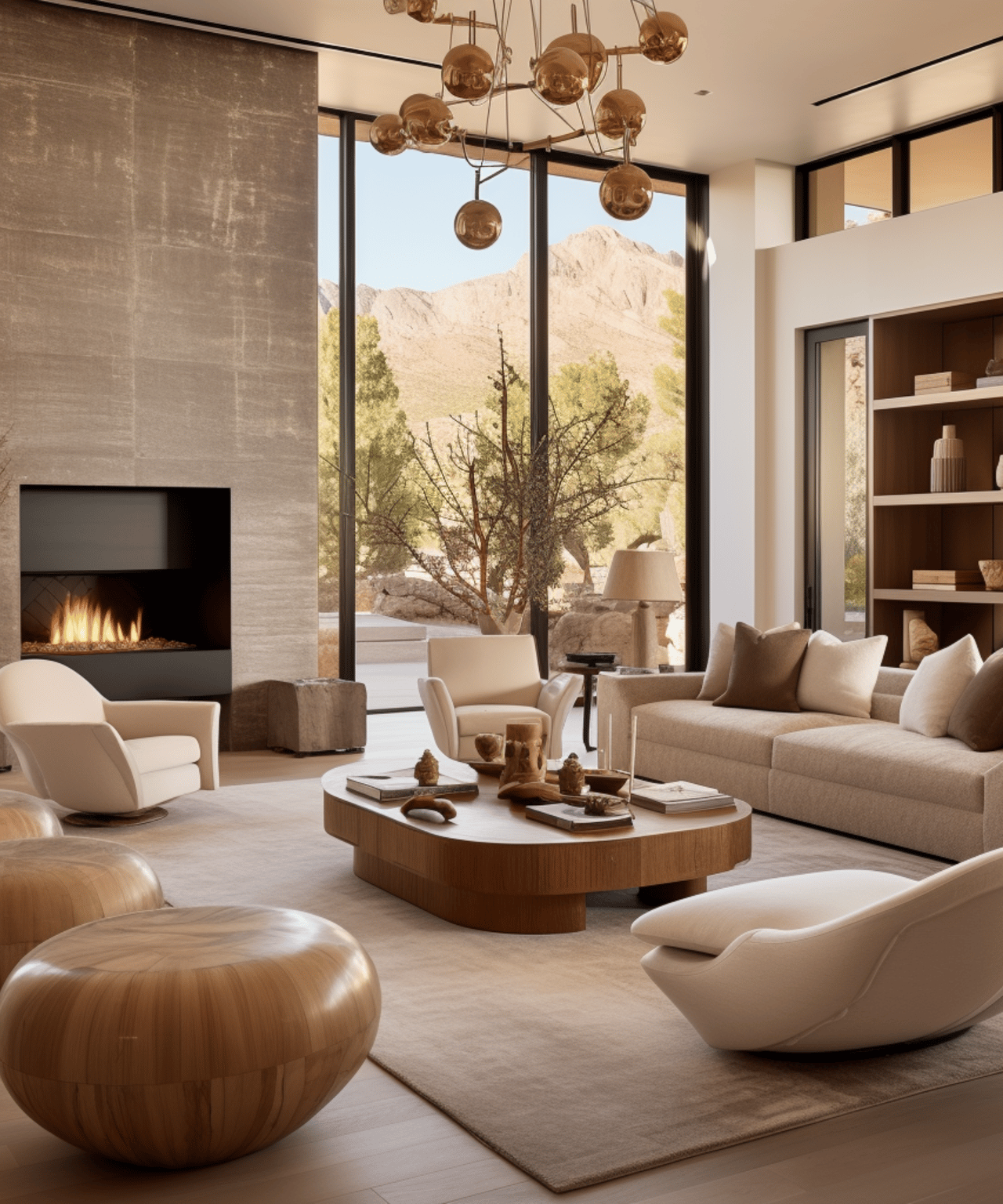
One of the smartest moves is to aim your main living spaces, primary suite, and outdoor gathering areas toward the best views. That lets the rooms you use most take full advantage of the surrounding landscape. It also helps your home feel calmer and more connected to the setting.
At the same time, entry areas, garages, storage, and service spaces can act as privacy buffers. These less public areas can help shield the home from the road or arrival point. When done well, the home feels welcoming without giving away its most intimate spaces the moment someone pulls in.
Use Elevation to Your Advantage
On sloped or elevated lots, split-level layouts or carefully stepped one-story plans can be especially effective. These approaches can preserve views while creating a more natural separation between public and private zones. You may end up with a home that feels more layered, more peaceful, and better matched to the terrain.
That separation can be useful in everyday life too. Entertaining spaces can stay open and social, while bedrooms, offices, or guest areas feel tucked away. For buyers who want both a retreat atmosphere and a functional layout, that balance matters.
Design Outdoor Living for Daily Use
A private retreat is not just about what happens inside. In La Cresta, outdoor living often plays an equally important role in how a home feels. The goal is to create spaces where you will actually want to spend time, not just admire from inside.
NOAA climate normals for Riverside Municipal Airport show an annual mean temperature of 66.2 degrees Fahrenheit and annual precipitation of 9.37 inches. Summer means rise into the upper 70s and low 80s, while much of the rain falls during the winter months. That makes shaded patios, covered loggias, and strong sun control especially useful.
A well-planned outdoor zone can support everything from quiet morning coffee to larger evening gatherings. Covered seating areas, thoughtful orientation, and protection from direct afternoon sun can make these spaces more comfortable throughout the year. In a setting like La Cresta, comfort is what turns outdoor square footage into real lifestyle value.
Create Distinct Outdoor Zones
Instead of one large patio, think in terms of smaller outdoor experiences. You might have a covered dining space near the kitchen, a secluded sitting area off the primary suite, and a view-facing lounge area for sunset use. Breaking things into zones can make the property feel more intentional and more private.
This approach also supports the retreat concept emotionally. A home feels more restful when it gives you choices about where to slow down, gather, or focus. In a hillside setting, even a simple shift in orientation can change how sheltered or open a space feels.
Plan Flexible Spaces That Fit Real Life
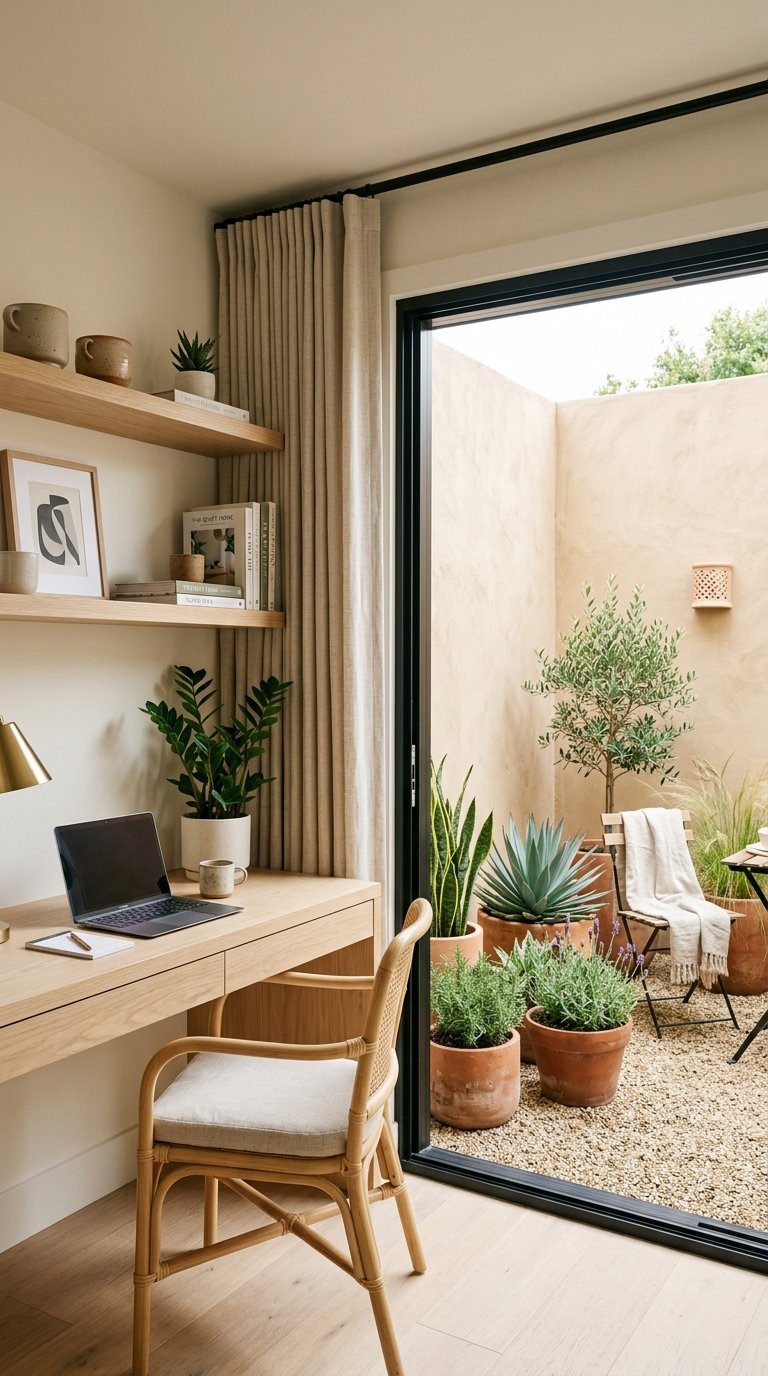
Many buyers want a private retreat, but they also need a home that works for modern life. That could mean space for remote work, room for long-term guests, or options for multigenerational living. In La Cresta, secondary spaces can help you add flexibility without losing the estate feel of the main home.
Riverside County’s Additional Residential Accommodations framework includes ADUs, JADUs, guest quarters, and other secondary housing types. Whether a specific project is allowed depends on zoning, development standards, and land use. That means the details matter, but the county does provide recognized paths for flexible living arrangements.
ADUs can be attached or detached, while JADUs are smaller units contained within a single-family dwelling. For a La Cresta property, that opens the door to ideas like a detached office suite, an aging-parent space, or a private guest wing. These kinds of additions can support your lifestyle while preserving the main residence as the center of the property.
Guest Quarters vs. Full Secondary Units
Riverside County defines guest quarters as a living area that depends on some or all of the primary dwelling’s facilities and does not include a kitchen. That can be a useful option if you want a quiet overflow suite, creative studio, or work annex close to the main house. It offers separation without turning the space into a fully independent unit.
If you need more complete living functionality, an ADU may be the better fit, subject to county standards. The key is to align the design with how you plan to use the property long term. A retreat home should feel personal, but it should also support real-world needs.
Make Privacy Feel Intentional
Privacy is one of La Cresta’s biggest draws, but good design makes that privacy feel stronger. It is not only about distance from neighbors. It is also about sightlines, orientation, access, and how spaces unfold as you move through the property.
A strong privacy strategy often starts at the approach. If the arrival sequence reveals the home gradually, it can create a more serene first impression. Then, once inside, the most important rooms can open toward views and outdoor spaces that feel protected rather than exposed.
Inside the home, zoning matters too. Separating entertaining spaces from bedrooms, office areas, or guest suites can make everyday life quieter and more comfortable. In larger homes especially, this can help the property feel restful rather than oversized.
Build Resilience Into the Vision
In a hillside area, a retreat should feel secure as well as beautiful. Riverside County received its 2025 Local Responsibility Area Fire Hazard Severity Zone maps on March 24, 2025, and California classifies fire hazard as Moderate, High, or Very High based on factors such as vegetation, slope, climate, ember movement, and fire history. For buyers in La Cresta, wildfire-aware design belongs in the planning conversation from the start.
The California Office of the State Fire Marshal recommends defensible space and home hardening with ignition-resistant or noncombustible materials. That guidance fits naturally with a thoughtful retreat design. In other words, privacy and resilience do not have to compete with each other.
Practical Design Ideas for Resilience
Features that support a retreat lifestyle can also support better preparedness. Examples include:
- Well-planned spacing around the home
- Durable exterior materials
- Intentional landscape design
- Covered outdoor areas designed with material choices in mind
- Clear access and circulation around structures
If you are evaluating a property or planning future improvements, it helps to look at beauty and resilience as part of the same design story. That mindset can lead to smarter decisions and a home that feels more ready for the realities of the area.
Think Long Term Before You Buy
Because La Cresta is unincorporated, buyers should expect county-level review when they have questions about permits, zoning, or future improvements. That is especially important if your vision includes secondary units, major outdoor additions, or a reworked site plan. A property may feel perfect emotionally, but the practical fit matters just as much.
This is where a more strategic buying approach can pay off. Beyond the look and feel of the home, you want to understand how the parcel, layout, and county framework may affect your options. For buyers considering estate properties or large-lot homes, clarity upfront can help you avoid expensive surprises later.
A private retreat is part lifestyle decision and part real estate decision. The best outcomes usually come when you evaluate both at the same time.
What a Great La Cresta Retreat Usually Includes
While every property is different, the most compelling retreat-style homes in La Cresta often share a few core traits:
- View-oriented main living spaces
- Outdoor areas designed for shade and comfort
- Clear separation between public and private zones
- Flexible secondary space for guests, work, or extended living
- A layout that responds to the lot’s slope and orientation
- Wildfire-aware design choices and defensible-space thinking
- A strong fit between the home’s design and county development standards
When those pieces come together, the result is more than a beautiful house. It becomes a property that supports the way you want to live, host, rest, and plan for the future.
If you are exploring homes in La Cresta or thinking about how to evaluate an estate property with both lifestyle and long-term value in mind, Jeff Engstrom can help you look beyond the surface and make a more informed move.
FAQs
What makes La Cresta a good place for a private retreat home?
- La Cresta’s large-lot, rural-mountainous setting, open-space context, and location beside the Santa Rosa Plateau Ecological Reserve all support a quieter, more secluded estate feel.
What should you prioritize when designing a La Cresta hillside home?
- It often makes sense to orient main living areas and outdoor spaces toward the best views, while using entry, garage, and service areas as privacy buffers.
What outdoor features work best for a La Cresta retreat property?
- Shaded patios, covered loggias, and distinct outdoor living zones are especially useful because of the area’s warm summers and limited annual rainfall.
What secondary living spaces may be possible on a La Cresta property?
- Depending on zoning, development standards, and land use, Riverside County may allow options such as ADUs, JADUs, guest quarters, and other secondary housing types.
What is the difference between guest quarters and an ADU in Riverside County?
- Riverside County defines guest quarters as a living area that depends on some or all of the primary home’s facilities and does not include a kitchen, while an ADU can function as a more complete secondary unit.
What should buyers in La Cresta know about wildfire-aware home design?
- Buyers should factor in fire hazard conditions and consider design choices such as defensible space and ignition-resistant or noncombustible materials as part of their planning process.