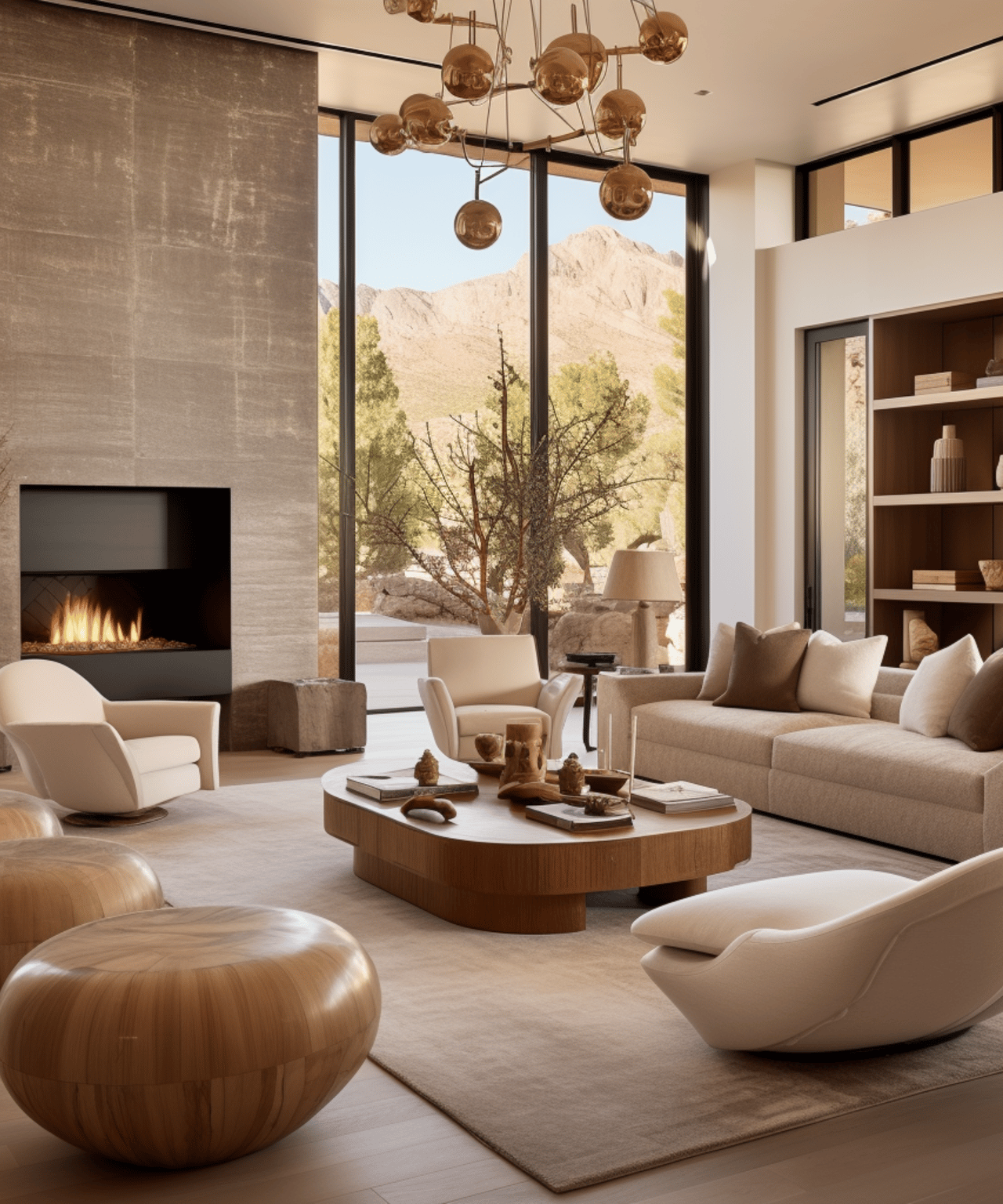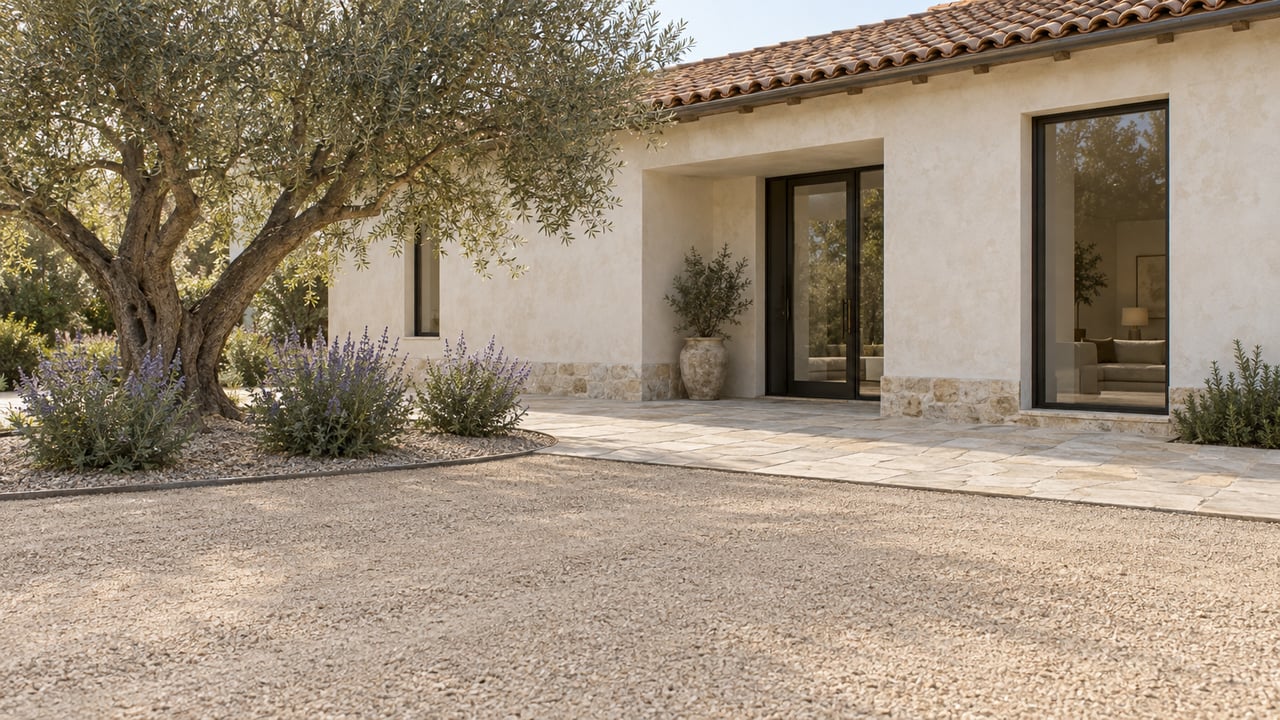
Picture two ranch-style homes for sale in La Cresta at the same time, priced within $20,000 of each other. Same four bedrooms, similar finish level, similar view of the Santa Rosa Plateau. One sits on five acres. The other sits on twenty. A buyer comparing them side by side on a listing sheet would never guess that the second owner is about to pay roughly four times what the first one pays every year to the same homeowners association, for the exact same services.
That gap is not a quirk of one board or one bad year. It is how the La Cresta Property Owners Association has billed its members for decades, and it is worth understanding before you fall for a view.
The Number Everyone Quotes
The most recent published snapshot of the La Cresta market, from April of this year, put the median home price at $1.8 million, with the average sale price closer to $1.53 million. Look at the trailing twelve months instead and the median sale price comes in at $1,574,000, up about 2 percent from the prior year. Active inventory that same month ranged from $549,000 up to $7,750,000, and the typical home sat on the market for 97 days, well past the 56-day national average.
That range is the tell. A neighborhood where homes sell between half a million and nearly eight million dollars isn't really one market. It's a label stretched across custom estates, avocado ranches, vineyard parcels, and raw land, all filed under the same name because they share a zip code and a private road system. The median doesn't average out a difference in finish quality. It averages out a difference in acreage, and acreage is exactly what determines your ongoing cost of ownership here in a way it doesn't in a typical subdivision.
What the Median Doesn't Bill You For
The La Cresta Property Owners Association was formed as a nonprofit in 1969 and incorporated in 1989 to maintain the private roads, drainage, slope easements, water acquisition areas, and fire retreat zones across its footprint. The association covers roughly 5,878 acres, holds about 887 parcels with a five-acre minimum, and maintains close to 26 miles of private road. None of that road, drainage, or fire-break maintenance is paid for by the county. It's paid for by dues.
Those dues are assessed per acre, not per parcel. A homeowner on a five-acre lot and a homeowner on a twenty-acre lot are both buying the same bundle of services, the same road access, the same drainage upkeep, the same fire retreat maintenance, but the twenty-acre owner's bill runs about four times higher, simply because the formula multiplies by the acre.
Laid out as a ratio, the current structure looks like this:
| Parcel size | Dues relative to a 5-acre parcel |
|---|---|
| 5 acres | 1x |
| 10 acres | 2x |
| 15 acres | 3x |
| 20 acres | 4x |
That's not a penalty for owning more land. It's the association's method for allocating the cost of maintaining shared infrastructure across unequal parcel sizes. But it means the sticker price of a listing tells you almost nothing about what you'll actually pay once you own it. Two homes at the same price point can carry very different annual obligations depending on how many acres came with the house.
The Formula Is Under Discussion
Here is the part that matters most if you're comparing offers on larger versus smaller parcels right now. The per-acre billing method is not settled policy. It's an active point of internal debate within the association, with some members pushing for a shift to flat, per-parcel billing instead of the current acreage-based model.
If that change were adopted, the economics would flip. Owners of larger parcels, who currently carry a proportionally heavier dues load, would see their bills drop toward parity with smaller-acreage neighbors. Owners of smaller parcels would see their relative share of the association's costs rise.
This isn't a hypothetical for anyone buying acreage in La Cresta today. If you're negotiating on a twenty-acre estate under the assumption that dues will keep scaling the way they currently do, you're pricing in a cost structure that insiders inside the association are actively trying to change. Ask where that conversation stands before you finalize an offer, not after.
The Costs the Listing Sheet Never Mentions
Acreage-based dues are the least visible line item, but they aren't the only one. La Cresta sits on the Santa Rosa Plateau, unincorporated, semi-rural, and many properties there run on private wells and septic systems rather than municipal water and sewer connections. That changes your maintenance calculus in ways a city lot never requires: well output, pump condition, and septic capacity become due diligence items the same way roof age and foundation type are everywhere else.
Mello-Roos assessments layer on top of that, funding infrastructure like roads and community services separately from POA dues. And because much of the plateau sits within a wildland-urban interface, parcels can fall inside a Cal FIRE Fire Hazard Severity Zone, which triggers defensible-space requirements under state law at the time of resale. You can check a specific parcel's designation directly through Cal FIRE's public FHSZ viewer before you ever put in an offer, and it's worth doing that early, since compliance work discovered late in escrow has a way of becoming a negotiating point nobody enjoys.
None of these costs show up in a median price calculation. All of them show up in the first twelve months of ownership.
Why Homes Sit for 97 Days
The 97-day average time on market isn't a sign that La Cresta is a hard sell. It's a sign that the buyer pool here is narrow and specific. Someone shopping for a twenty-acre parcel with a lighted arena and cross-fenced turnout isn't cross-shopping a five-acre lot with a smaller barn and no direct trail access, even if both are technically in La Cresta and priced within range of each other. Each listing waits for the right kind of buyer to find it, not the largest number of buyers.
That's a different sales dynamic than a tract neighborhood, where thirty nearly identical homes compete for the same pool of shoppers and price alone decides who moves first. In La Cresta, the acreage, the water source, the fencing, and the dues structure that comes attached to the parcel all narrow the field before price ever enters the conversation.
What to Confirm Before You Write an Offer
If you're comparing two La Cresta parcels of different sizes, treat these as non-negotiable before you sign anything:
- Request the current LCPOA dues schedule and confirm whether it's billed per acre or per parcel for the specific property
- Ask directly whether any change to the dues formula is currently under board discussion
- Request the association's reserve study to see how road and drainage maintenance is funded going forward
- Pull service records for the well and septic system, not just an inspection report
- Check the parcel's Cal FIRE Fire Hazard Severity Zone designation and what defensible-space work it requires
- Confirm recorded road easements through a preliminary title report, since access to some parcels runs through shared private lanes
Every one of these items changes the real cost of the house you're comparing to the one down the road, even when the listing price looks identical.
A Few Straight Answers
Does every part of the Santa Rosa Plateau bill dues the same way? No. La Cresta proper is governed by the LCPOA, but neighboring pockets like La Cresta Highlands operate under separate associations with their own rules and fee structures. Confirm which association actually governs the specific parcel you're considering.
Does acreage-based billing affect what a home is worth at resale? It affects what it costs to hold, which affects how a buyer prices it against alternatives. A larger parcel with a heavier dues obligation needs to justify that cost through land use, whether that's grazing, vineyard acreage, or arena space, not just square footage of the house.
If you're weighing a five-acre lot against a twenty-acre one in La Cresta, the sale price is the smallest part of the comparison. Jeff Engstrom can pull the current dues schedule, reserve status, and acreage math for any specific parcel you're considering, so you know the real annual cost before you write the offer.