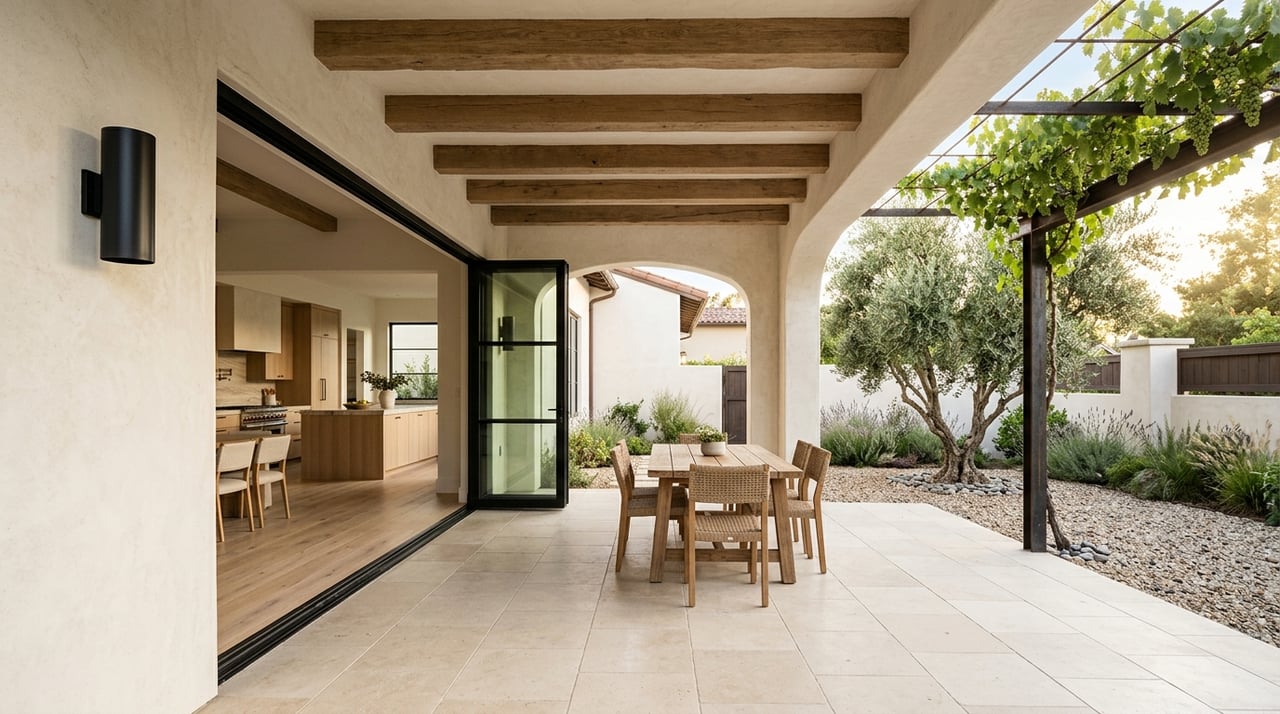
Selling a Temecula Wine Country estate is not the same as listing a home in a typical neighborhood. Buyers here often look at the house, the land, the approach, and the lifestyle all at once. If you want a smoother sale and a stronger first impression, the right prep work can help you avoid delays, reduce surprises, and present your property at its best. Let’s dive in.
Why Wine Country prep is different
Temecula Wine Country is shaped by its rural setting, winery growth, and recreation-focused appeal. That means your property is often viewed as more than a residence. Buyers may also be evaluating outdoor living, access, views, acreage usability, and how well the site supports the Wine Country lifestyle.
That local context changes your pre-listing checklist. In many cases, items like wells, septic systems, grading, gates, driveways, and wildfire readiness matter just as much as paint color or furniture placement. A thoughtful sale plan should account for both the home itself and the land around it.
Start with disclosures and records
Before you focus on staging, start with the paperwork. In Wine Country, disclosures and property records can shape buyer confidence early in the process and help prevent avoidable issues later.
California disclosure rules require sellers to share facts that materially affect value or desirability. For estate properties, that often includes physical condition, prior reports, and conditions tied to the site. Gathering records up front can make your listing feel more transparent and better organized.
Key documents to collect
A strong pre-listing packet may include:
- California Transfer Disclosure Statement
- Natural Hazard Disclosure
- Wildfire-related documentation, if applicable
- Permit records for improvements
- Well records
- Septic records
- Survey or easement documents
- Warranties and service contracts
- Solar or equipment agreements
If your property has multiple structures or site improvements, this step becomes even more important. Buyers and lenders may ask detailed questions, and being prepared can keep the transaction moving.
Check permit history early
Riverside County tools can help you review permit history for items such as additions, accessory buildings, ADUs, pools, spas, re-roofs, grading, walls, and solar. For a Wine Country estate, this matters because larger parcels often include improvements completed over many years.
If any structure or site feature appears to lack clear documentation, it is better to identify that before marketing begins. Unpermitted work can create friction during escrow, especially when buyers are already reviewing acreage, utilities, and land-use details more closely than they would in a standard subdivision sale.
Address rural property systems first
In Temecula Wine Country, core property systems often deserve early attention. Riverside County Environmental Health oversees wells and septic systems, while county Building and Safety handles grading, inspections, and plan checks in unincorporated areas.
That makes these systems central to sale preparation. If you can document their condition, service history, or records before listing, you may reduce uncertainty for buyers and make inspections easier to navigate.
Wells and septic systems
If your estate uses a private well or septic system, gather records as soon as possible. Buyers may want to understand the setup, history, and any past service or installation details.
Even if everything is functioning well, missing paperwork can slow momentum. A clean document trail helps support the value of a rural property and shows that ownership has been attentive.
Grading and site improvements
Large-lot properties often include grading, retaining features, expanded drive areas, patios, detached buildings, or other improvements that do not come up as often in tract-home sales. These features may be part of what makes your property attractive, but they also need to look intentional and properly documented.
If you have questions about older improvements, now is the time to sort them out. The earlier you review this information, the more options you have before your home goes live.
Improve the full arrival experience
In Wine Country, curb appeal starts long before a buyer reaches the front door. The driveway, entry gate, fencing, road edge, drainage, and outdoor gathering areas all contribute to how the property feels on arrival.
For many buyers, that first approach helps define whether the estate feels polished, private, and well cared for. A rural property can be beautiful and still lose impact if the exterior looks overgrown, unclear, or unfinished.
Focus on what buyers see first
Walk the property as if you were seeing it for the first time. Look closely at:
- Driveway condition and edges
- Gate operation and appearance
- Fencing and boundary presentation
- Drainage visibility or erosion issues
- Front approach and signage
- Patio, pool, or outdoor entertaining areas
- Orchard, vineyard, or equestrian zones, if present
Each area should feel maintained and easy to understand. Buyers do not need every inch of acreage to look perfect, but they do need the main use areas to feel purposeful.
Make outdoor features feel defined
If your property includes a vineyard, orchard, guest structure, equestrian area, or working-landscape elements, clean and trim those spaces before photos and showings. Clear paths, neat edges, and visible function help buyers grasp what the property offers.
This is especially important on large parcels. When outdoor features blend together or look neglected, buyers may focus on the work required instead of the value and experience the property provides.
Prioritize wildfire readiness
Wildfire preparation is a major part of selling many rural Southern California properties. In addition to safety, it affects presentation and may affect required disclosures and documentation.
CAL FIRE recommends maintaining 100 feet of defensible space, cutting annual grass to a maximum height of four inches, and keeping combustible materials 30 feet away from the home. These steps can help your estate look cleaner, safer, and more market-ready.
What to handle before listing
As part of exterior prep, consider:
- Trimming overgrown vegetation
- Cutting annual grass down to four inches or less
- Removing combustible materials near the home
- Clearing visible buildup around structures and outdoor areas
- Improving access and sightlines along driveways and entries
Even strong architecture can lose appeal when landscaping feels unmanaged. Fire-safe cleanup often improves photos, showings, and peace of mind at the same time.
Know when documentation is required
For homes in high or very high fire hazard severity zones, California law requires added wildfire disclosures. Sellers in those zones must also provide documentation showing compliance with defensible-space or local vegetation-management requirements.
If your property falls into one of these zones, getting that documentation in order before listing is smart. It can help prevent last-minute scrambling once offers begin coming in.
Repair visible maintenance issues
Visible deferred maintenance tends to stand out more on estate properties. When buyers are already evaluating acreage, utilities, and rural systems, obvious repair needs can raise extra concerns about overall upkeep.
California sellers must disclose material facts affecting value and desirability, including physical condition. In practice, that means it is often better to fix clear issues before showings than to leave them as open questions.
Common items worth triaging
Start with the issues buyers notice quickly, such as:
- Roof wear
- Peeling paint
- Water intrusion signs
- HVAC problems
- Worn flooring
- Broken fixtures
- Irrigation failures
- Exterior wear around patios, pools, or guest areas
You do not always need a full renovation. But resolving the most visible problems can make your estate feel better maintained and easier to trust.
Declutter and stage the spaces that matter most
Once repairs and exterior cleanup are underway, turn your attention inside. Staging has measurable marketing value, and large homes especially benefit from a cleaner, simpler presentation.
According to NAR’s 2025 staging report, 83% of buyers’ agents said staging made it easier for buyers to visualize the home as their future home. That matters in Wine Country, where room scale and indoor-outdoor flow are often part of the appeal.
Prioritize the highest-impact rooms
You do not need to stage every room equally. The most common staging targets are:
- Living room
- Primary bedroom
- Kitchen
- Dining room
- Outdoor spaces
Focus first on the rooms and transitions buyers will remember. On an estate property, a few well-composed spaces usually create more impact than trying to perfect every corner.
Simplify for scale and flow
Remove bulky furniture, pack personal items, and avoid overfilling closets or storage areas. In larger homes, excess furniture can make rooms feel harder to read instead of more impressive.
A cleaner layout helps buyers see the size, purpose, and flow of each space. It also supports better photography, which is critical for attracting serious online interest before anyone books a showing.
Do not overlook conditional disclosure items
Some sale-prep items only apply to certain properties, but they are important to check early. In Wine Country, older homes and agricultural adjacency are two common examples.
These issues are not necessarily negatives. They simply need to be handled accurately and proactively.
Right-to-farm notice
California’s Natural Hazard Disclosure framework includes a right-to-farm notice for properties within one mile of mapped farmland. That notice can warn buyers that nearby agricultural operations may create noise, odors, dust, light, insects, machinery activity, manure storage or disposal, bee pollination, and the application of fertilizers, pesticides, and herbicides at any time of day.
In Temecula Wine Country, this helps set realistic expectations. Buyers drawn to the area often understand its rural character, but clear disclosure still matters.
Lead-based paint disclosure
If your home was built before 1978, federal law requires disclosure of known lead-based paint and lead-based paint hazards before the sale of most housing built before 1978. This can also apply to older guest quarters or original structures on the property.
If this applies to your estate, include it in your prep timeline early. It is easier to manage when handled as part of your initial document gathering.
A smart pre-listing order for Wine Country sellers
When everything feels important, sequence matters. A practical order can help you spend time and money where it counts most.
Here is a strong preparation flow for a Temecula Wine Country estate:
- Confirm required disclosures, including wildfire, right-to-farm, lead, and related items as applicable.
- Gather and review records for wells, septic systems, grading, permits, and major site improvements.
- Complete visible repairs and address deferred maintenance.
- Create defensible space and improve the exterior presentation.
- Declutter, stage, and photograph the property once it is fully show-ready.
This order helps you avoid staging around unfinished work or marketing a property before the important facts are organized.
Why strategy matters for your net result
Preparing a Wine Country estate for sale is part presentation and part risk management. When you organize records, clean up the land, address visible issues, and stage the right spaces, you create a stronger buyer experience from the start.
You also put yourself in a better position for smoother negotiations. A well-prepared estate often gives buyers fewer reasons to hesitate and more confidence in the overall value of the property.
If you are getting ready to sell in Temecula Wine Country, working with an advisor who understands both local property nuances and the financial side of the decision can make a real difference. For a tailored strategy and polished listing plan, connect with Jeff Engstrom.
FAQs
What should you fix before selling a Temecula Wine Country estate?
- Focus on visible maintenance items that may affect buyer confidence, such as roof wear, peeling paint, water intrusion, HVAC issues, worn flooring, broken fixtures, irrigation failures, and exterior upkeep.
What documents do buyers expect for a Temecula Wine Country property?
- Buyers may expect core disclosures plus records related to permits, wildfire documentation, wells, septic systems, easements, surveys, warranties, service contracts, and solar or equipment agreements.
Why do wells and septic records matter when selling in Temecula Wine Country?
- These systems are common in rural properties, and buyers often want documentation that helps them understand installation, service history, and how the property operates.
What is the right-to-farm notice for Temecula Wine Country homes?
- If a property is within one mile of mapped farmland, California disclosures may warn buyers about possible agricultural impacts such as noise, odors, dust, machinery activity, insects, and related farming operations.
Do Temecula Wine Country sellers need wildfire documentation?
- If a home is in a high or very high fire hazard severity zone, California law requires added wildfire disclosures and documentation showing compliance with defensible-space or local vegetation-management requirements.
Which rooms should you stage before listing a Temecula estate home?
- The highest-priority spaces are usually the living room, primary bedroom, kitchen, dining room, and outdoor areas because those are among the most common and memorable staging targets.